Integrative Botanical Pharmacy
Herbal Antimicrobials
A literature-backed guide to plant-derived antimicrobials — what the research supports, the active compounds, and where to source each one.
Why Herbal Antimicrobials
Plant-based compounds with documented antimicrobial action
Long before modern antibiotics, botanicals were humanity's primary defense against infection. Many of today's pharmaceuticals — quinine, artemisinin, and others — were originally isolated from plants. Contemporary in vitro and clinical research continues to validate the antimicrobial activity of these compounds, particularly as antibiotic resistance grows.
The remedies below are not a replacement for medical care. They are offered as an educational reference and an integrative option for microbial support. Always consult your provider before beginning a new supplement, especially alongside prescription medications.
Reference Library
Each entry summarizes peer-reviewed literature on the compound's antimicrobial efficacy. Links open the source literature citations referenced in the descriptions.
Browse the Remedies
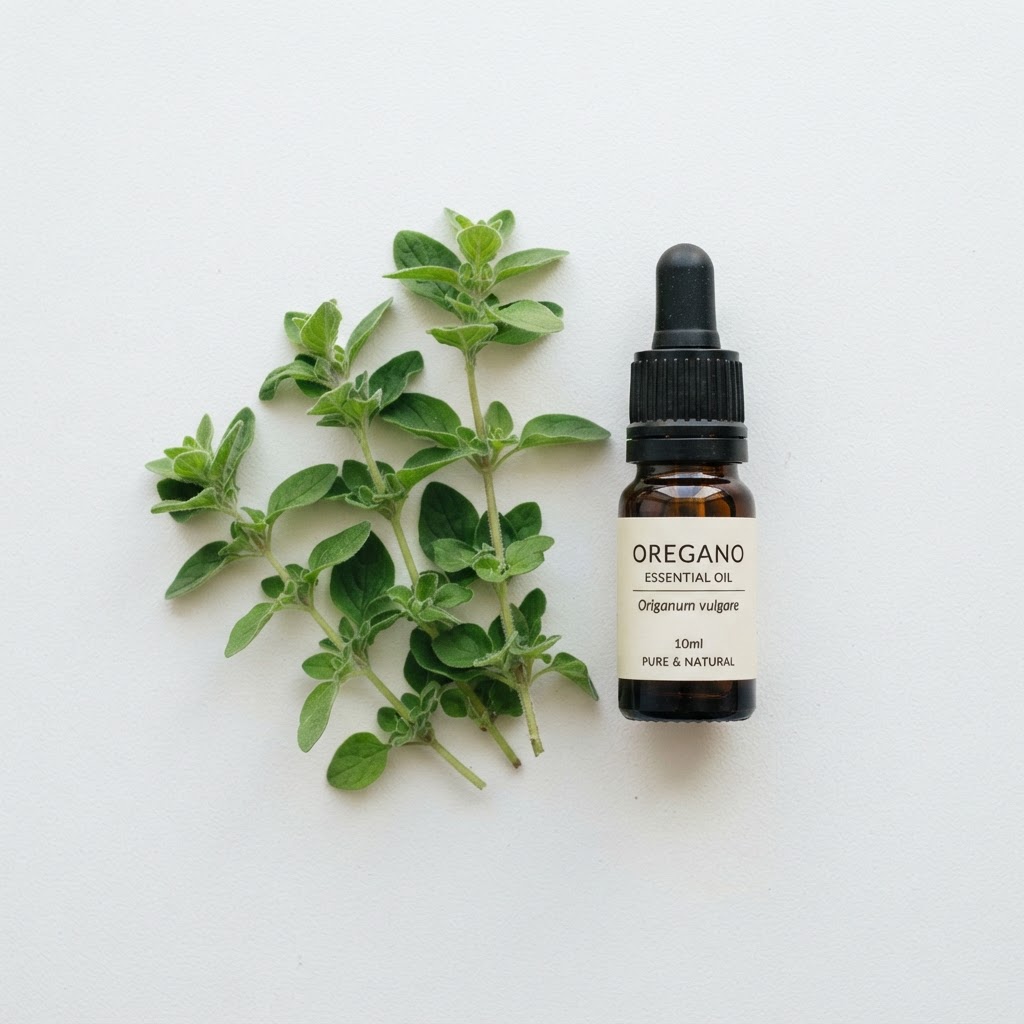
Oregano Oil
Origanum vulgare
Targets: Borrelia burgdorferi · Candida albicans · E. coli · Staphylococcus aureus
Oregano oil is among the most studied herbal antimicrobials. In vitro research shows carvacrol and thymol disrupt bacterial cell membranes, producing broad-spectrum activity against Gram-positive and Gram-negative organisms as well as fungi. A 2011 review in the Journal of Medicinal Food highlighted oregano essential oil as a promising alternative to conventional antibiotics, particularly against resistant strains. It is commonly used for intestinal microbial overgrowth and topical fungal conditions.
Buy on Amazon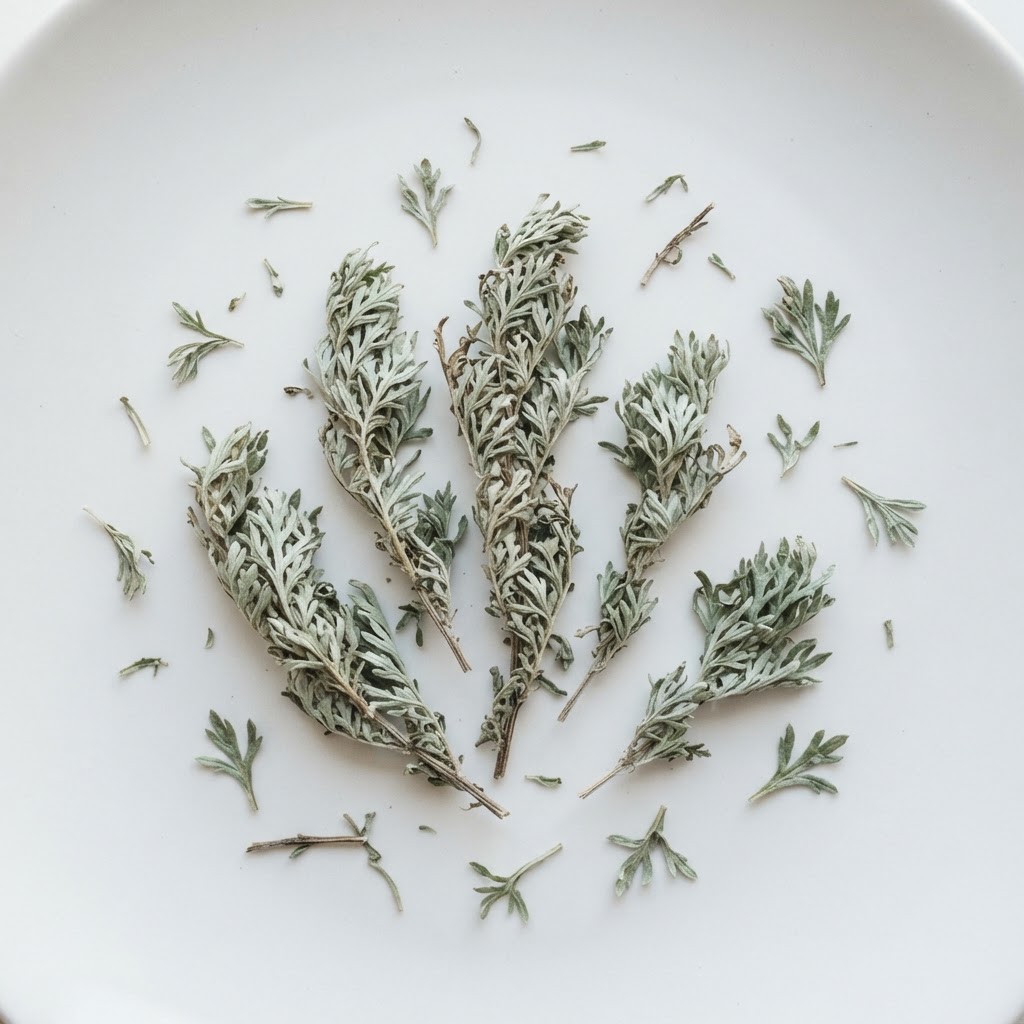
Wormwood
Artemisia absinthium
Targets: Plasmodium falciparum · Babesia spp. · Helicobacter pylori · intestinal parasites
Wormwood and its cousin Artemisia annua are the source of artemisinin, the WHO-recommended first-line therapy for malaria. Beyond antimalarial action, published studies report antibacterial, antifungal, and antiparasitic activity of Artemisia extracts. Traditionally used for intestinal parasites and digestive infections, wormwood remains a cornerstone of herbal antimicrobial protocols.
Buy on Amazon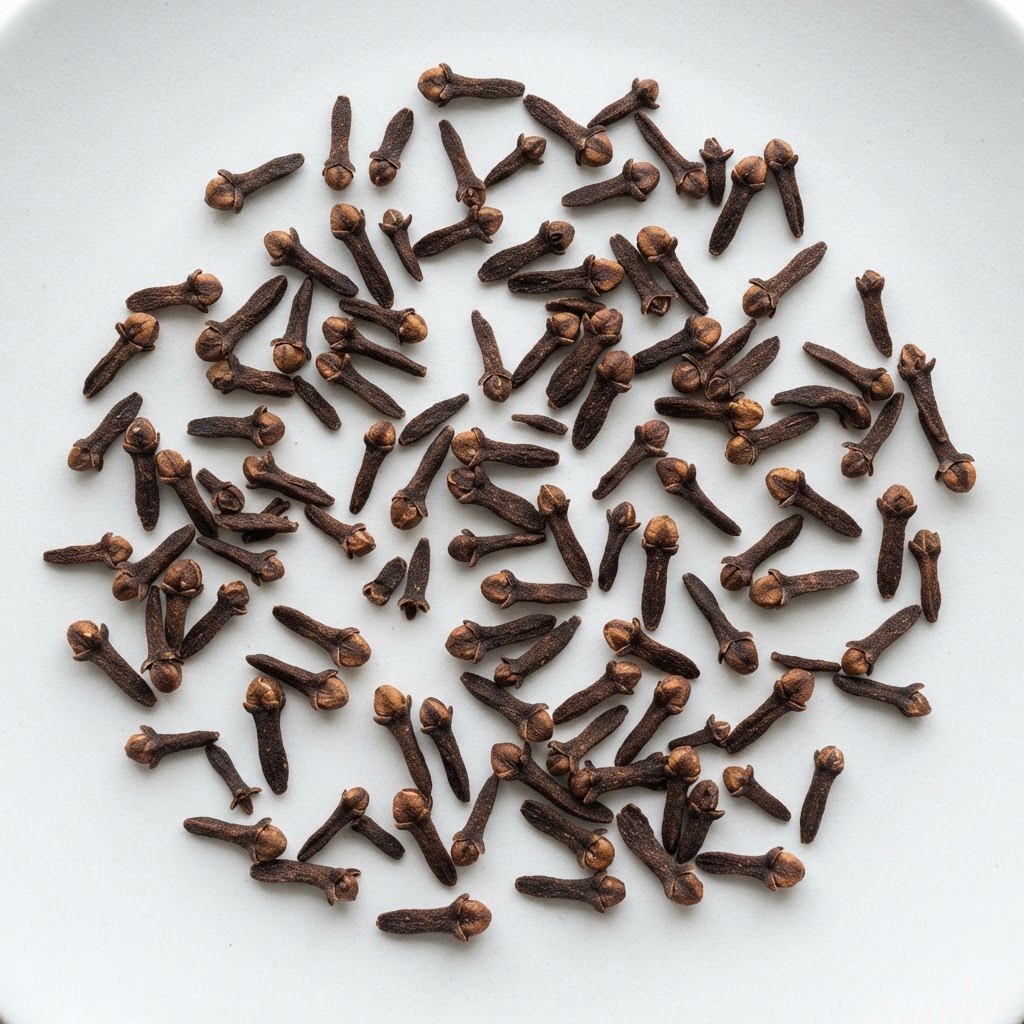
Cloves
Syzygium aromaticum
Targets: Candida albicans · oral pathogens · Streptococcus mutans · Giardia
Clove essential oil is rich in eugenol, a compound with well-documented antibacterial and antifungal properties. Research published in Oral Diseases and the Journal of Antimicrobial Chemotherapy demonstrates eugenol activity against oral pathogens, Candida species, and foodborne bacteria. Cloves are widely used for dental and oral infections as well as systemic antimicrobial support.
Buy on Amazon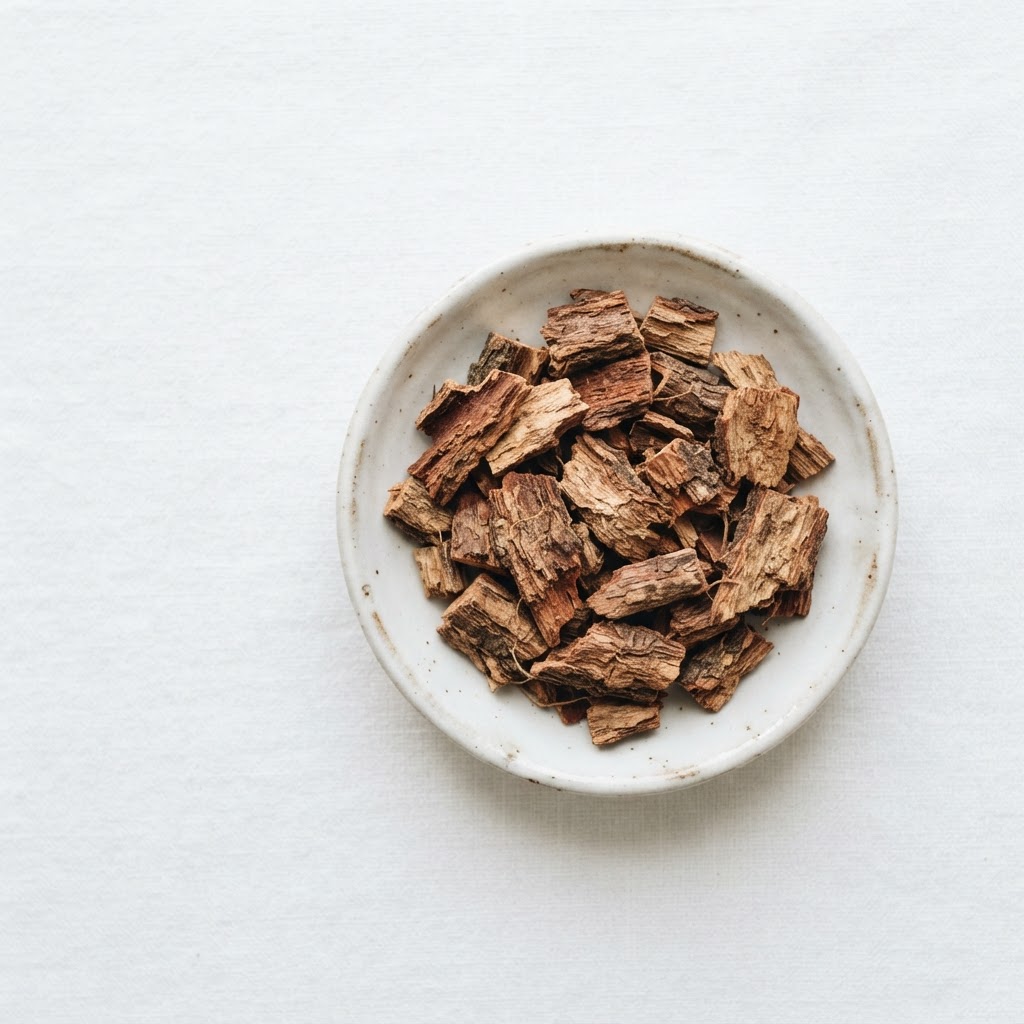
Quinine
Cinchona officinalis
Targets: Plasmodium vivax · Plasmodium falciparum · Babesia spp.
Quinine, derived from the bark of the cinchona tree, is one of the oldest documented antimicrobials in Western medicine — the original treatment for malaria. Cinchona alkaloids also show activity against certain protozoa and have been studied for arrhythmia and muscle cramp management. It is the historical backbone from which modern antimalarial drugs like chloroquine were developed.
Buy on Amazon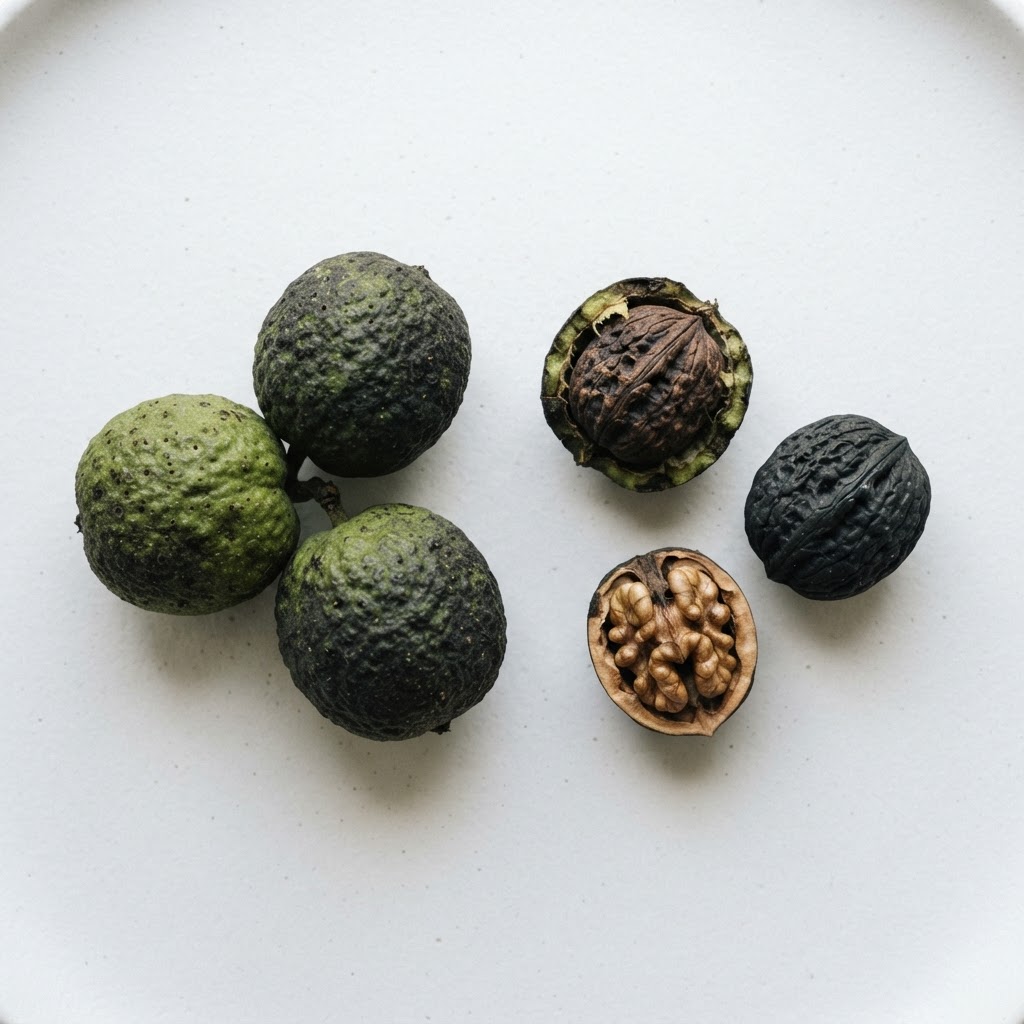
Black Walnut
Juglans nigra
Targets: Candida albicans · Giardia · intestinal parasites · dermatophytes
Black walnut hull is a mainstay of traditional antiparasitic protocols. Juglone, its signature compound, has demonstrated antifungal, antibacterial, and antiparasitic activity in laboratory studies, including inhibition of Candida and select protozoa. It is frequently combined with wormwood and cloves in herbal parasite cleanses.
Buy on Amazon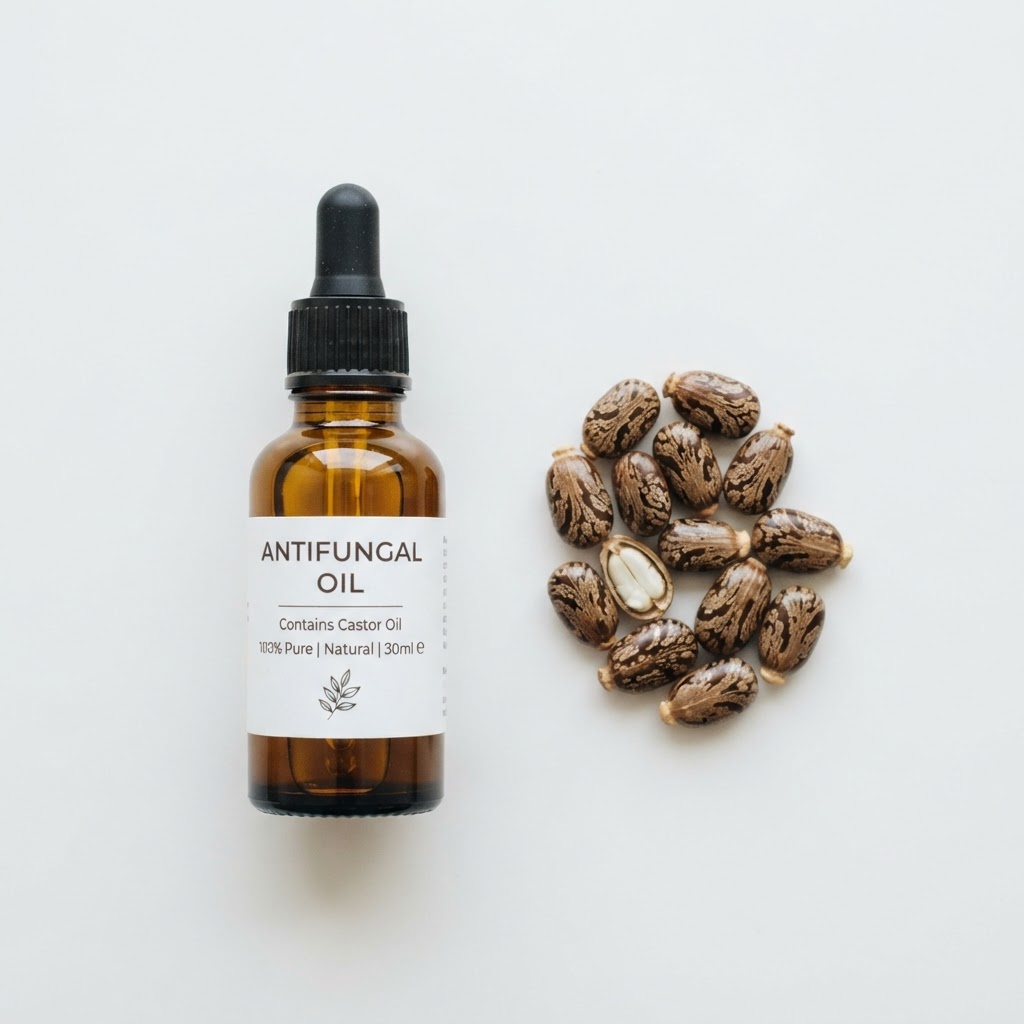
Undecylenic Acid
Undec-10-enoic acid (antifungal)
Targets: Candida albicans · Trichophyton · Microsporum · dermatophytes
Undecylenic acid is an FDA-approved over-the-counter antifungal derived from castor oil. Clinical and in vitro studies confirm efficacy against dermatophytes and Candida — particularly for skin and nail fungal infections. It inhibits the transition of Candida from yeast to its invasive hyphal form, which is central to its therapeutic effect.
Buy on Amazon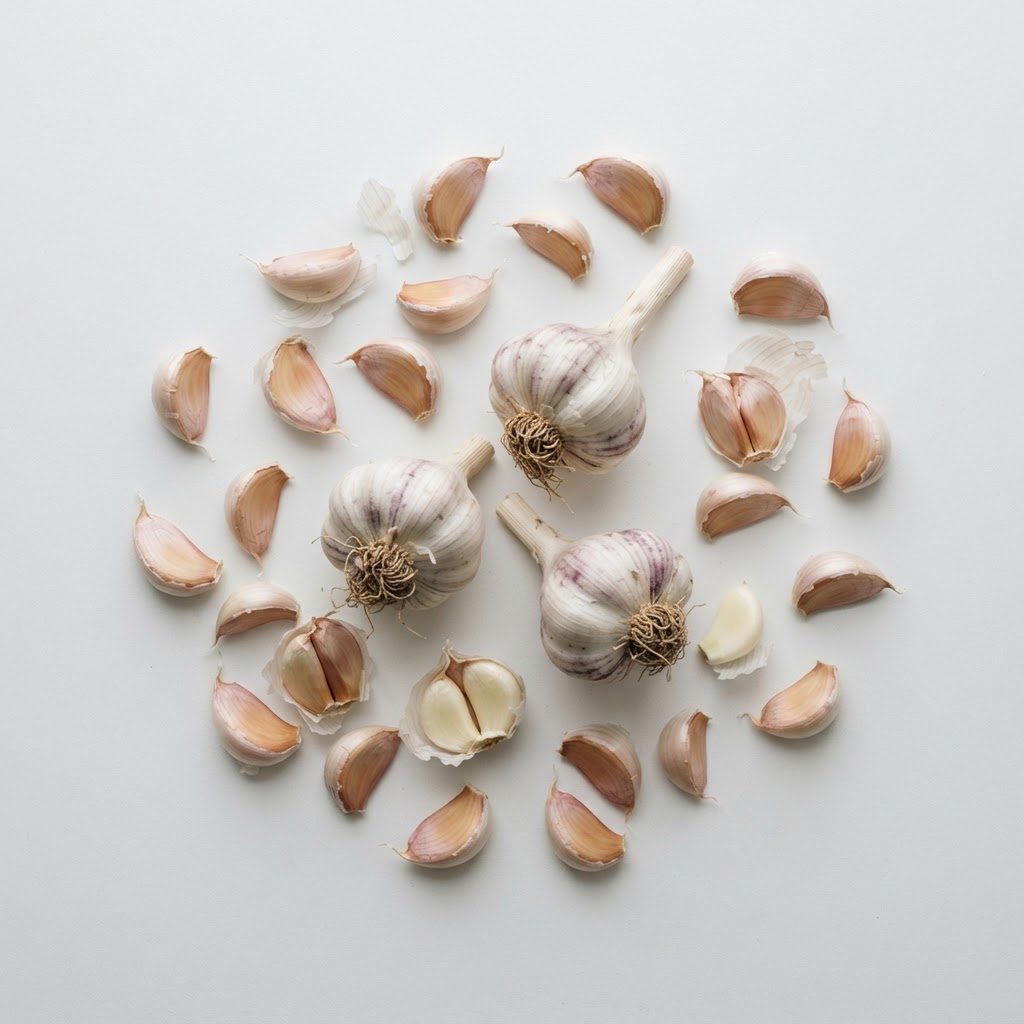
Garlic
Allium sativum
Targets: Borrelia burgdorferi · Staphylococcus aureus · Candida albicans · H. pylori
Garlic and its allicin compound have broad antimicrobial action documented across dozens of peer-reviewed studies. Allicin exhibits antibacterial, antifungal, antiviral, and antiparasitic activity, including against some antibiotic-resistant organisms. A 2014 review in Avicenna Journal of Phytomedicine summarized garlic as a potential adjunct to conventional antimicrobials.
Buy on Amazon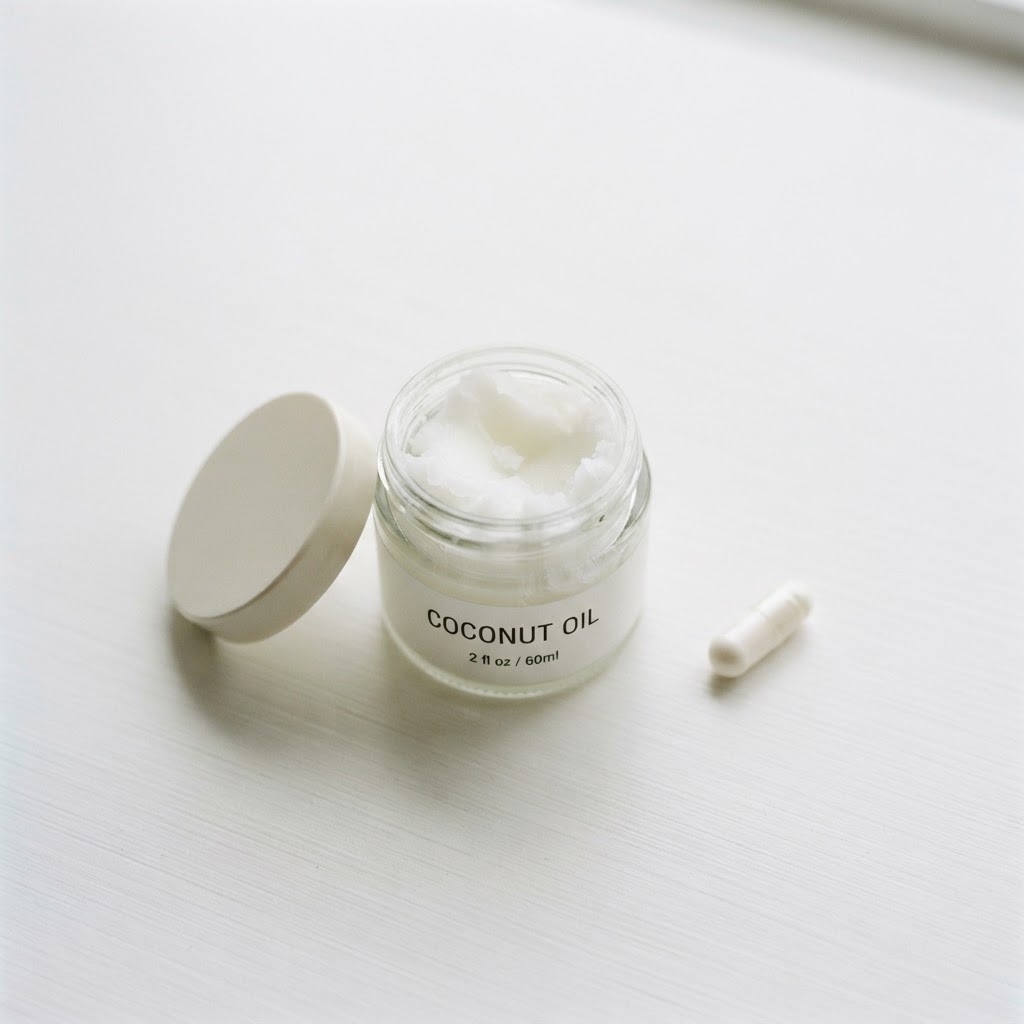
Caprylic Acid (Sodium Caprylate)
Octanoic acid / Sodium caprylate
Targets: Candida albicans · Candida glabrata · dermatophytes
Caprylic acid — and its sodium salt, sodium caprylate — is a medium-chain fatty acid with demonstrated antifungal activity, especially against Candida albicans. Sodium caprylate is used both as a food preservative and in integrative protocols for intestinal Candida overgrowth. Studies show it disrupts fungal cell membranes, inhibiting Candida growth and replication.
Buy on AmazonAs an Amazon Associate, Newport Integrative may earn from qualifying purchases. Product selection and use should be discussed with your provider.
Practitioner-Only Herbal Line
Byron White Formulas
A legendary line of targeted herbal tinctures — each formula matched to a specific pathogen (Lyme, Bartonella, Babesia, EBV, Mycoplasma, H. pylori). Dispensed by prescription only through a licensed practitioner after consultation.
Explore the FormulasFAQ
Herbal Antimicrobials — Frequently Asked Questions
Next Step
Ready to begin your consultation?
Schedule a one-on-one consultation to explore a personalized, precision-medicine approach to your condition.
Begin Consultation